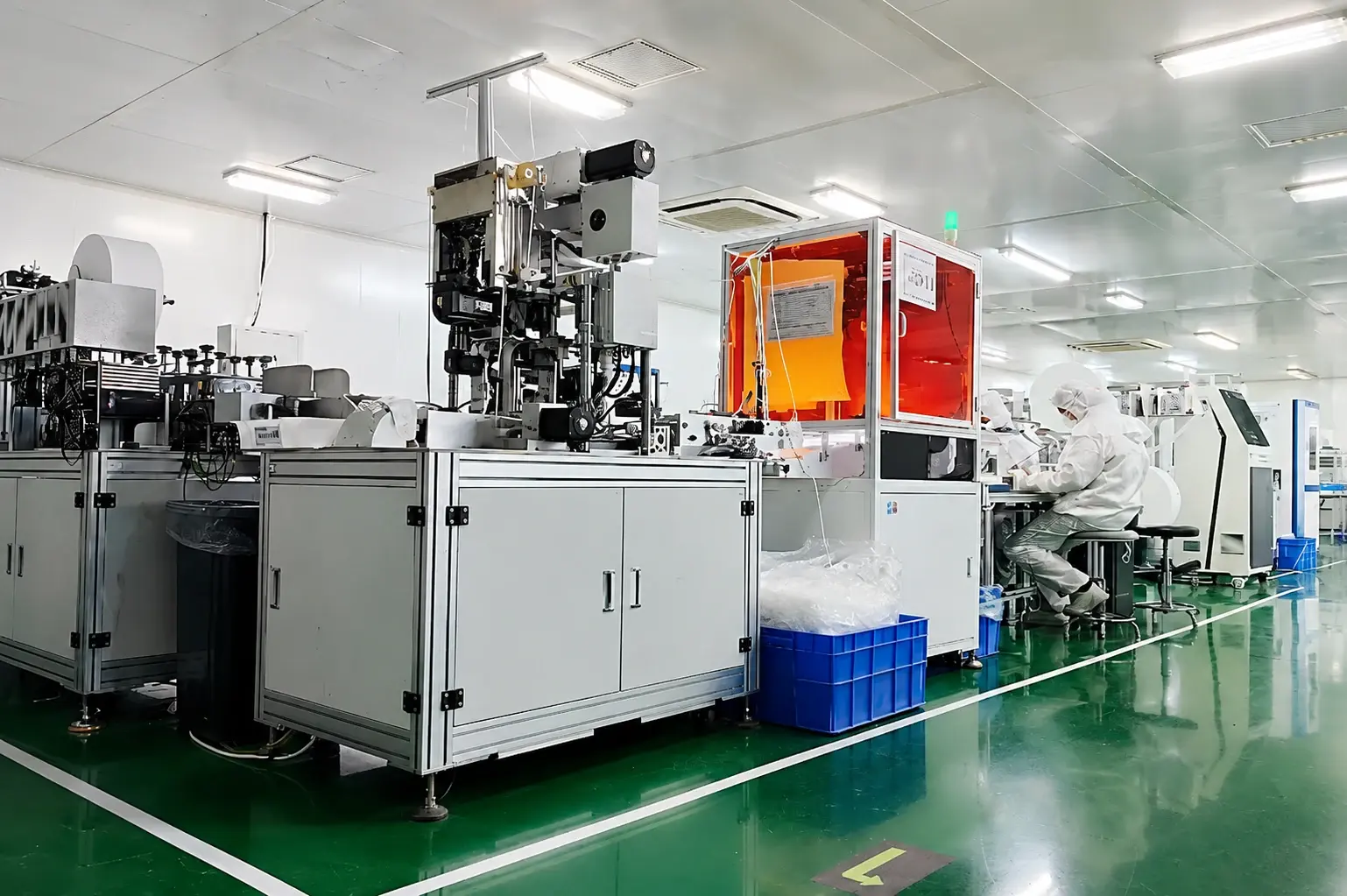
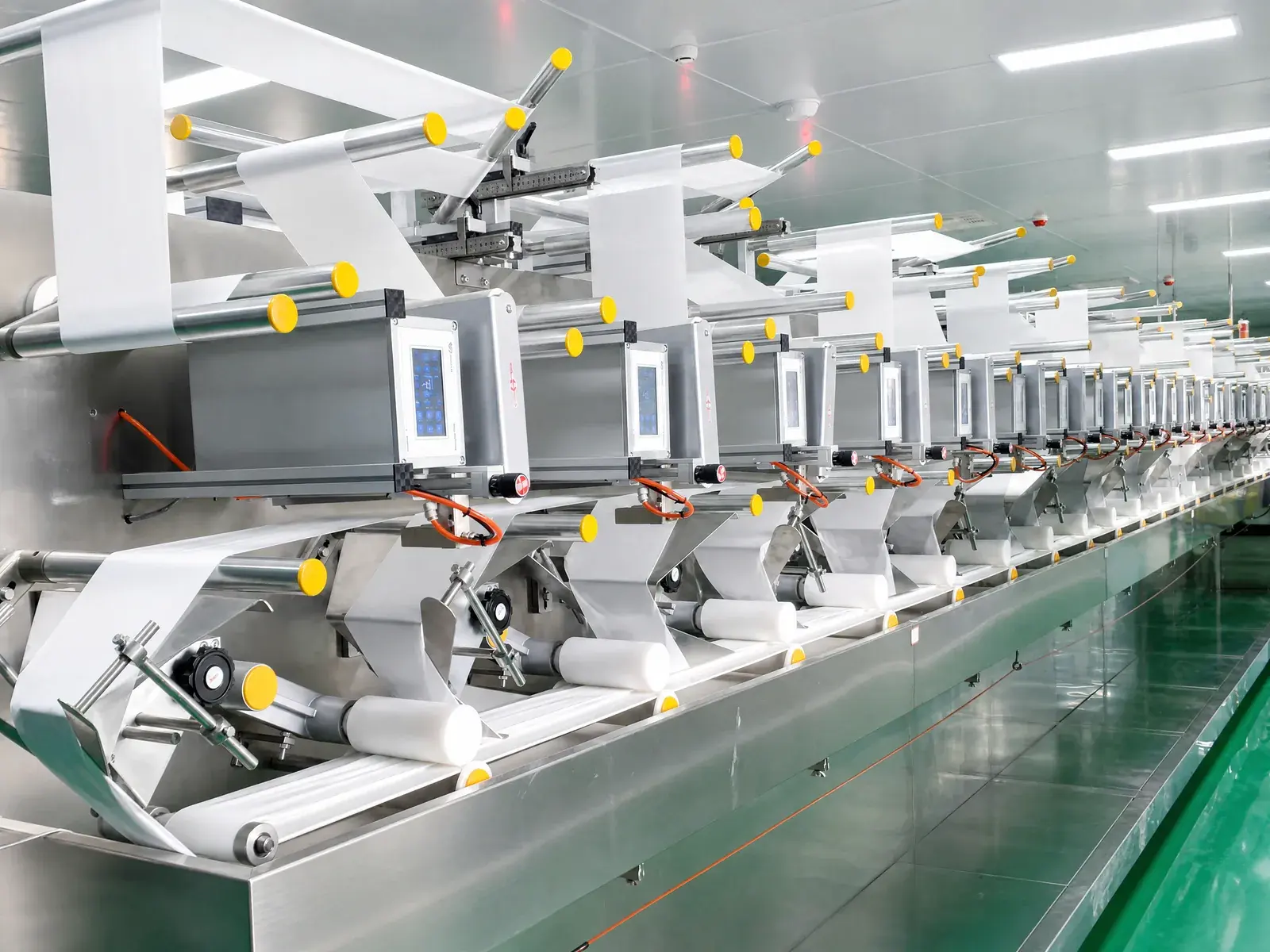

Automated production lines across the Dalian wet-wipes factory

Why Choose Us

Production ability, product-specific quality management, independent QC and consolidated shipment.

Production Ability

Illustrative cargo port at dusk with ships and container cranes
01

Dual Manufacturing Bases – North & South China

Our nonwoven production facilities span across northern and southern regions, with a total floor area of approximately 78,000 m². This strategic layout enables flexible shipping from multiple export ports, ensuring efficient logistics and faster response to global customer demands.

78,000 m²
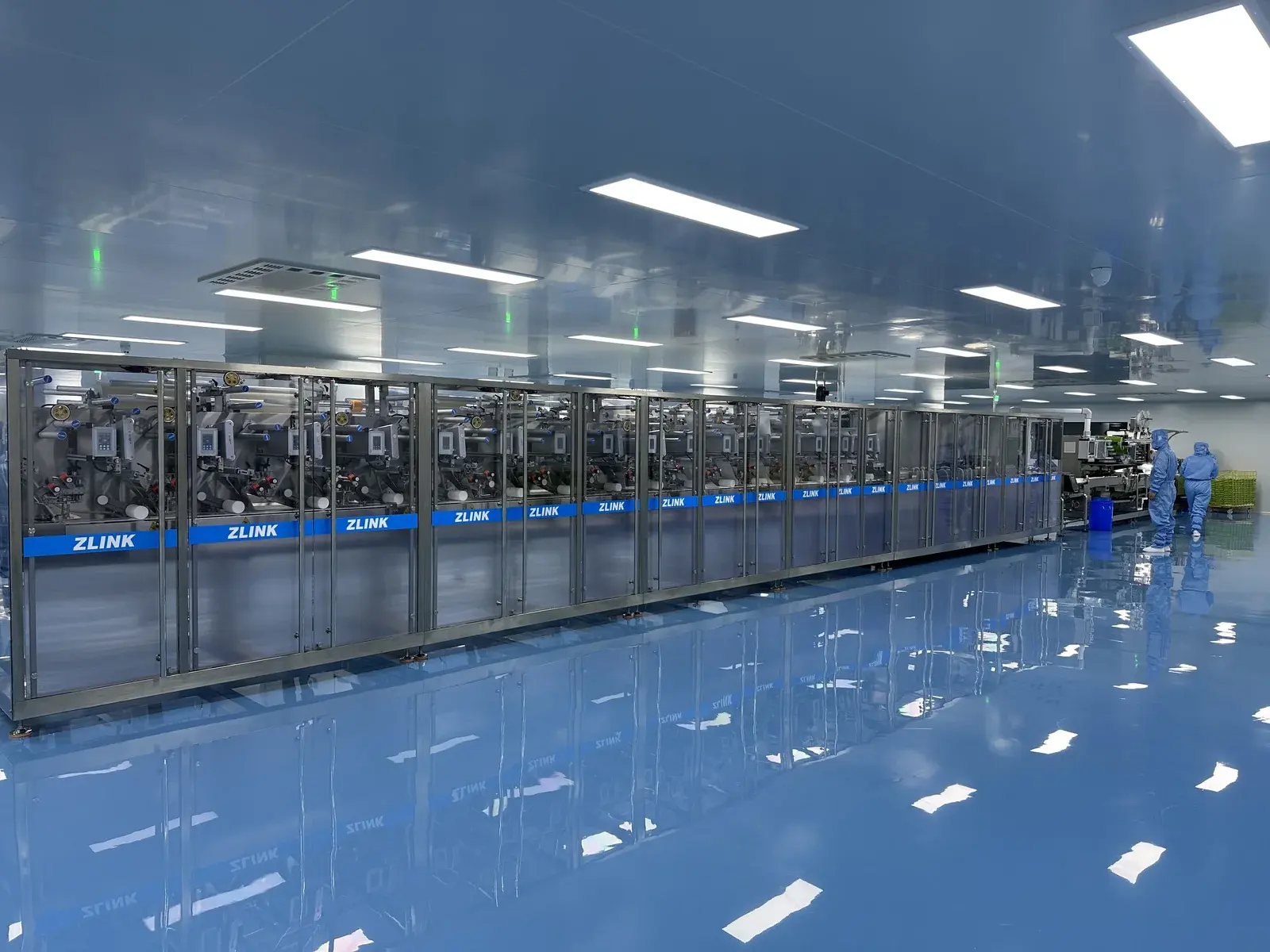
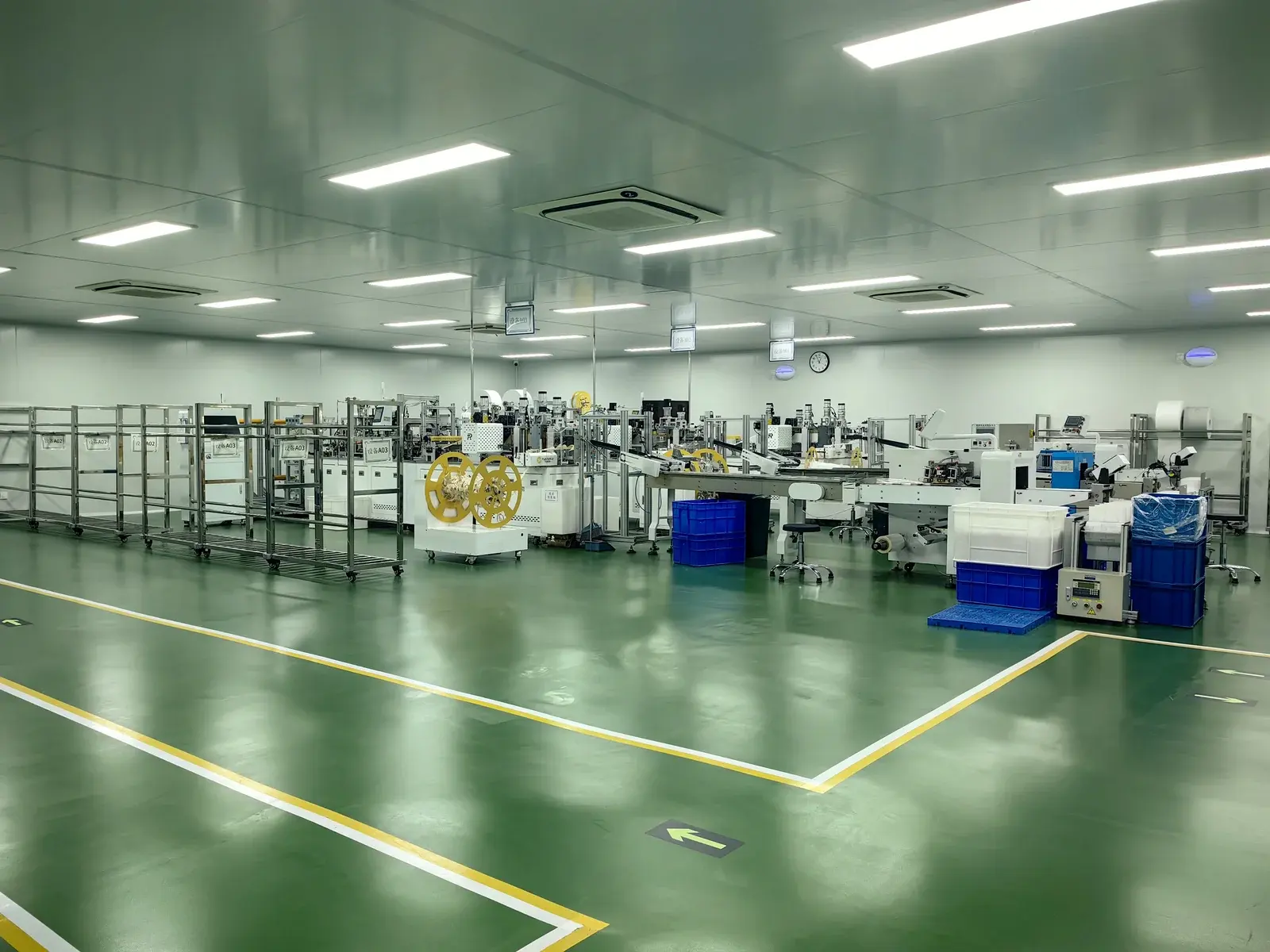
Automated wet wipes production lines inside the purified workshop
02

Class 100,000 Purified Wet Wipes Workshop

Operated under ISO Class 8 (Class 100,000) cleanroom standards, this workshop is equipped with about 22 fully automated production lines. It produces a wide range of wet wipes in various sizes, specifications, and functions – including pillow-pack wipes, barrel wipes, mini wipes, etc. – suitable for personal care, household cleaning, and commercial applications.

22 lines
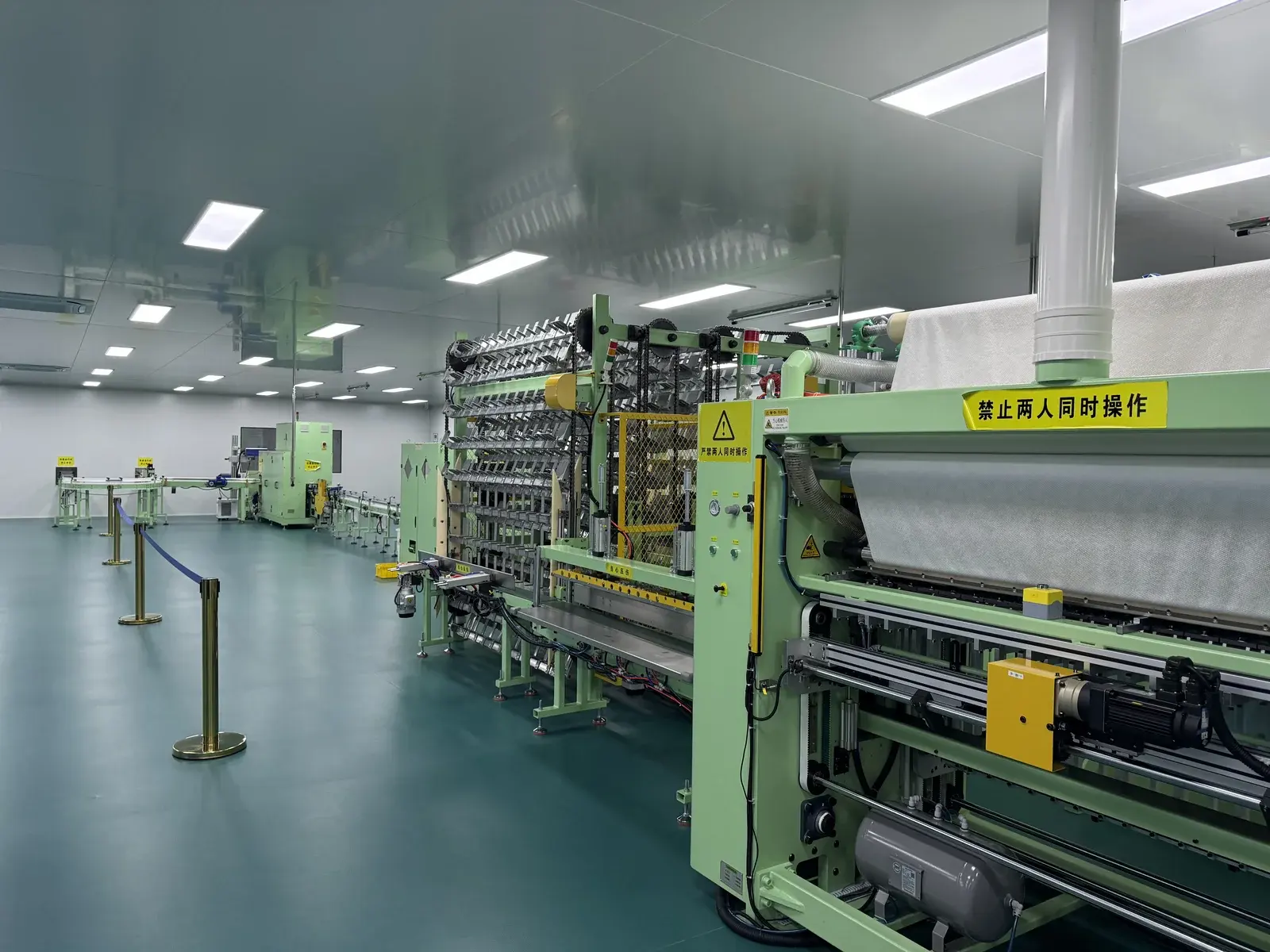
Dry wipes production workshop with nonwoven converting equipment
03

Dry Wipes Production Workshop

Featuring about 4 dedicated production lines, this workshop specializes in dry nonwoven products such as cotton facial towels and floor dry wipes, all engineered for superior softness, strength, and absorbency.

4 lines
Rows of high-speed mask production lines in the purification workshop
04

Mask Purification Workshop

Operating in a clean-production environment, this workshop houses approximately 118 high-speed production lines. It manufactures multiple mask styles – including flat face masks (civil-use), 3D-shaped masks, and butterfly-shaped masks – to meet diverse protection levels and wearing comfort requirements.

118 lines

Quality Management System

Wet wipes

Wet Wipes Quality Management

01

Water production center

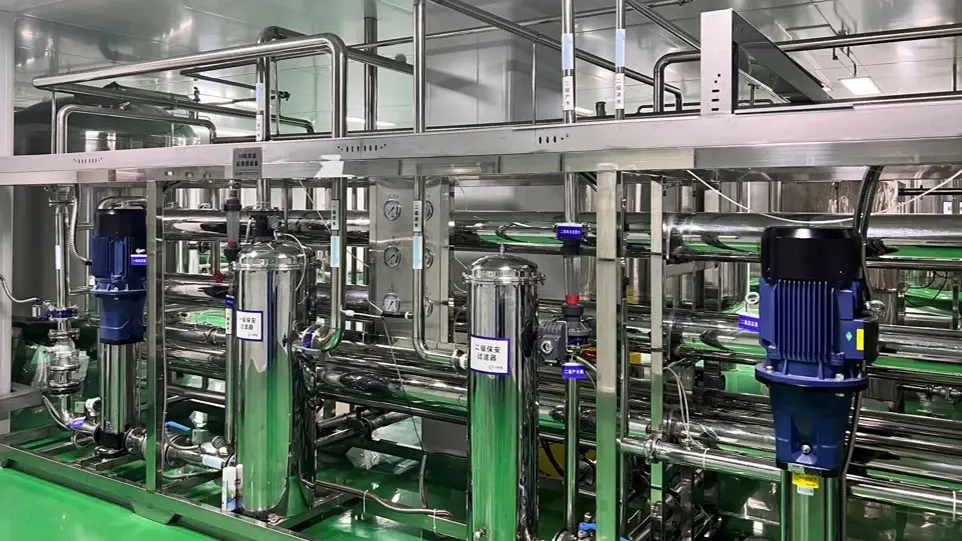
Built around a 10-ton EDI ultrapure-water preparation system, the center provides dedicated process-water capacity for wet-wipe manufacturing. Its stainless-steel treatment equipment supports controlled water preparation and a stable supply to production.

EDI ultrapure-water production centre with stainless-steel treatment equipment
02

Water system

Secondary reverse osmosis, EDI treatment, UV disinfection and scheduled system sanitization.

Purified-water distribution and circulation network across the third, second and first floors
03

Liquid distribution system

Automatic liquid dosing, cleaning and disinfection.

Solution preparation, disinfection, steam and distribution routes from third-floor tanks to lower-floor production equipment
04

Laboratory

Complete laboratory equipment for routine quality-control testing.

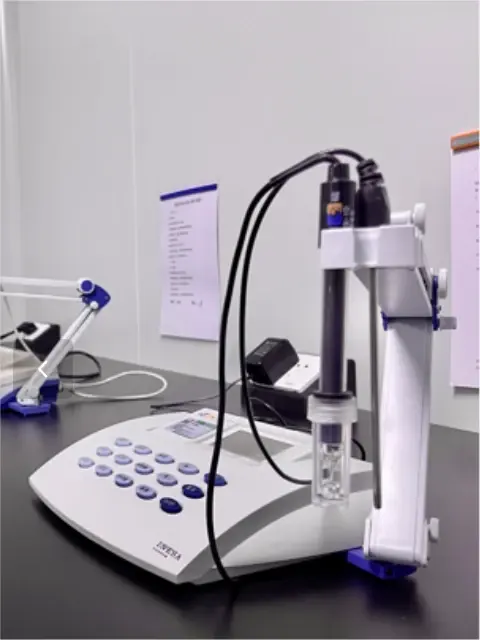
Laboratory pH tester
pH Tester
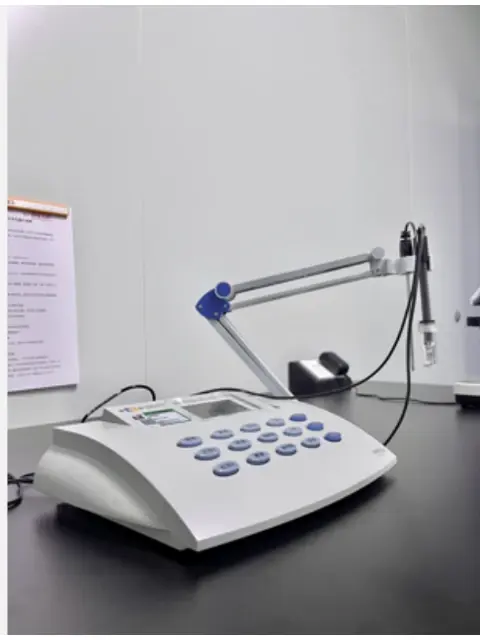
Laboratory conductometer
Conductometer
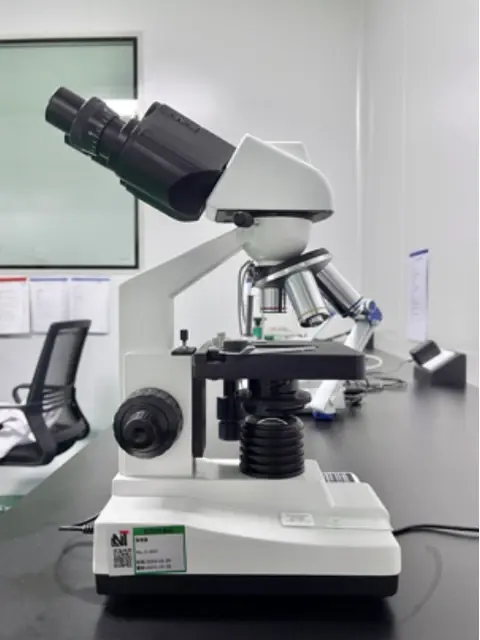
Laboratory microscope
Microscope
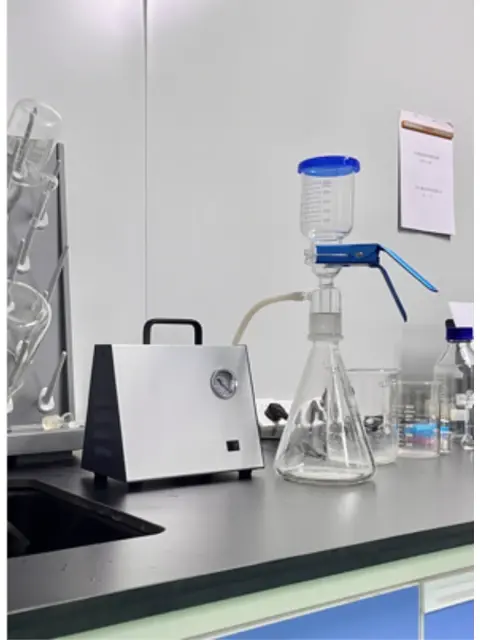
Laboratory vacuum filter
Vacuum Filter
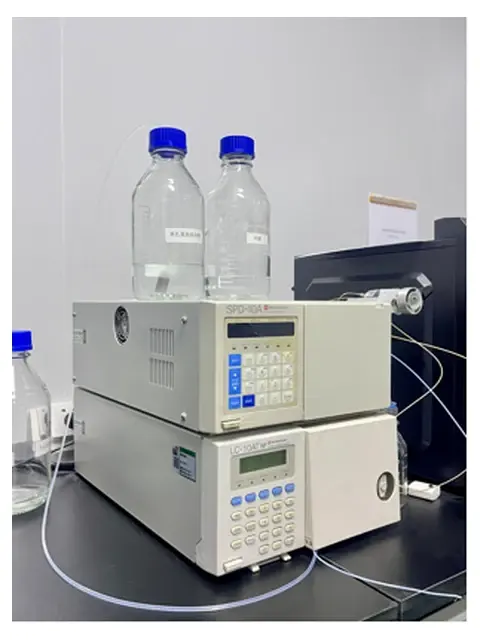
Laboratory liquid chromatograph
Liquid Chromatograph
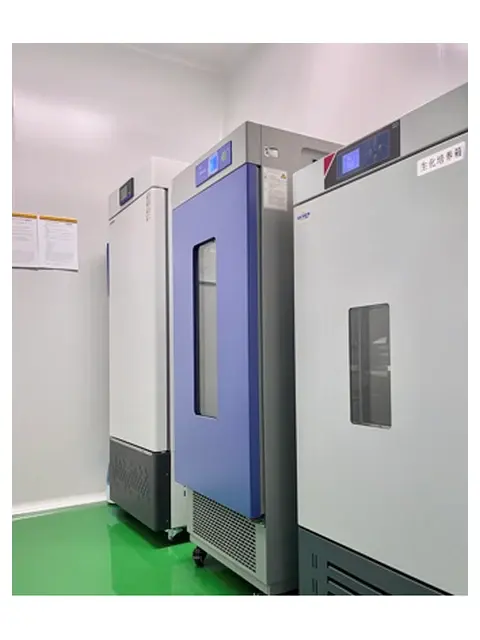
Laboratory temperature, humidity, mold and biochemical incubators
Temperature, Humidity & Biochemical Incubators
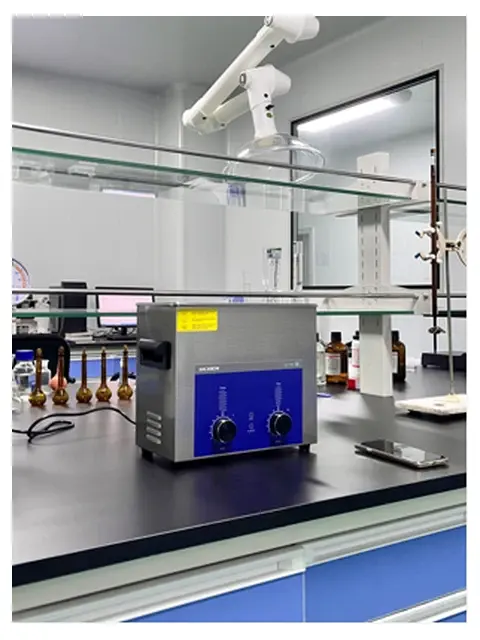
Ultrasonic laboratory instrument on a workbench
Ultrasonic Meter
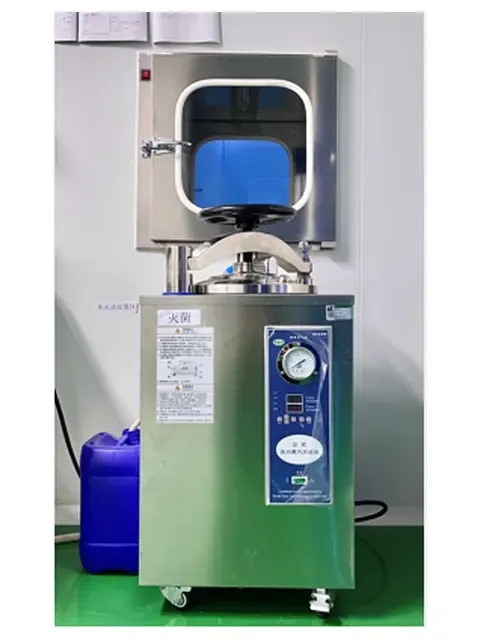
Stainless-steel laboratory sterilizer
Sterilizer
Masks

Mask Quality Management

  1. 01

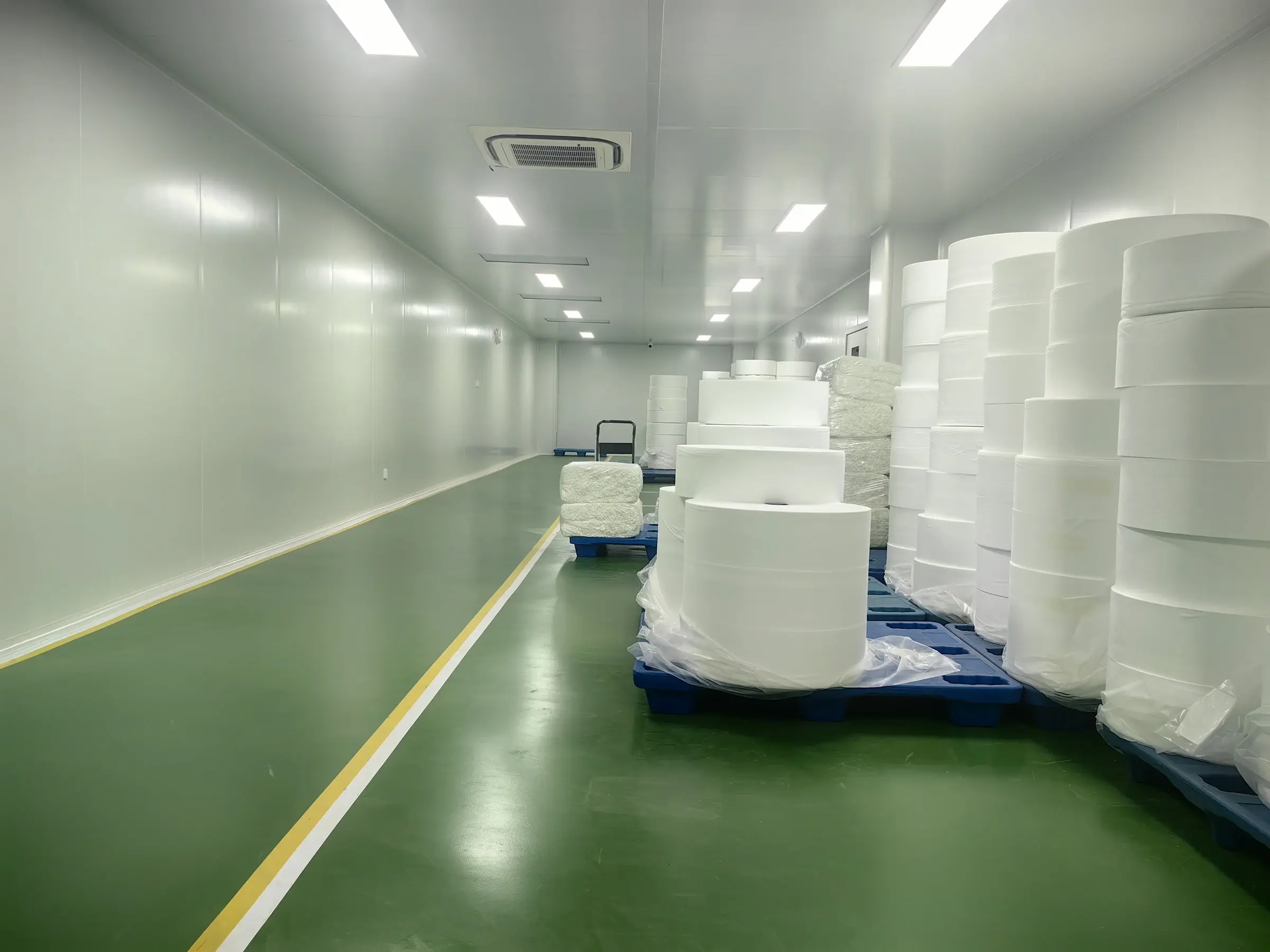
    Controlled material buffer room

    The material buffer room uses independent FFU supply and return-air systems, with 12 air changes per hour to maintain fresh air and help keep masks free from unwanted odors before production.

    Nonwoven roll materials staged in the controlled material buffer room
  2. 02

    CCD vision inspection

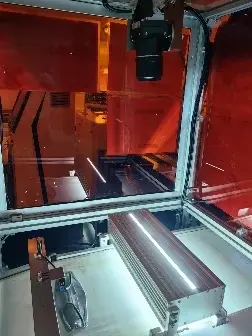
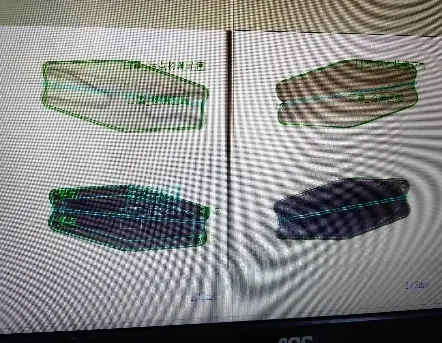
    Production equipment is fitted with an inline CCD appearance-inspection system. A fixed-position camera captures mask images and evaluates them against preset key parameters. Products that fail inspection are automatically diverted to a designated reject area for disposal after production, improving detection consistency and reducing manual misjudgment.

    1. Fixed-point capture
    2. Parameter evaluation
    3. Automatic rejection
    4. Controlled disposal
    CCD vision-inspection equipment operating on a mask production line
    Fixed-position camera inside the mask inspection enclosure
    CCD system identifying the visible edges of several masks
  3. 03

    Manual random inspection

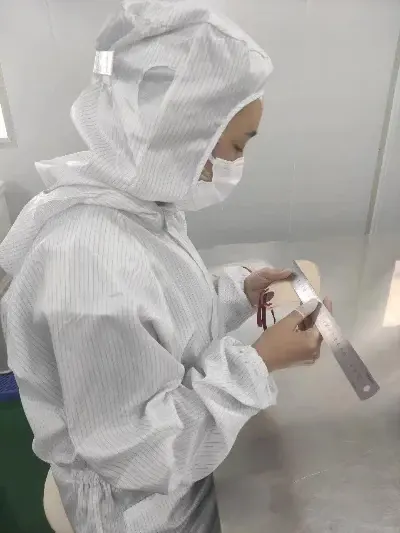
    Quality personnel conduct random sampling during production, carrying out secondary checks on product appearance and function. The inspection includes the breaking strength of the connection between the mask strap and mask body, helping confirm that in-process products meet the required standards.

    20 NStrap-to-mask connection breaking-force check shown in the factory reference
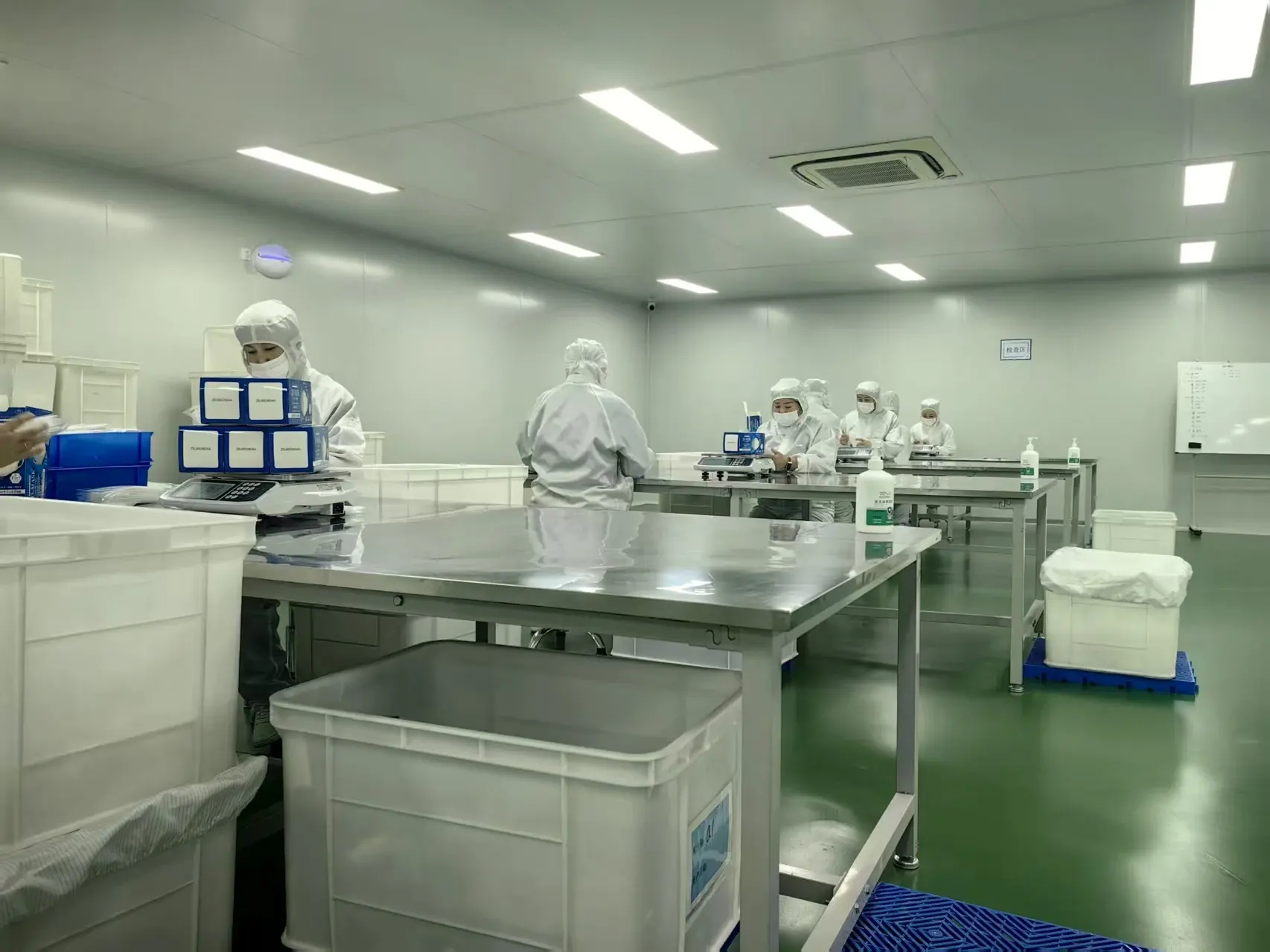
    Quality-control staff conducting manual random sampling before packaging
    Quality-control worker manually checking a mask and its straps
    Weight suspended from a mask strap during a connection-strength check
Factory self-inspection + MKLP independent QC

Quality Control System

Two coordinated inspection tracks keep requirements visible from incoming materials through final shipment release.

Our rigorous QC team intercepts around 10% of severely defective orders before shipment to prevent substandard goods delivery. Efficient internal coordination enables timely rework to guarantee consistent product quality.

  1. 01

    Raw Material Inspection

    Check agreed nonwoven, filter media, components and packaging materials before release to production.

  2. 02

    Production Inspection

    Monitor appearance, dimensions, assembly and in-process controls while the order is running.

  3. 03

    Performance Test

    Verify the product-specific functions and test items agreed for masks, wet wipes or dry wipes.

  4. 04

    Final Inspection

    Sample finished goods, review packing and release only against the confirmed order requirements.

Sampling standard

AQL Inspection Before Shipment

Sampling plans reference ISO 2859-1 and are applied according to the confirmed product specification and order agreement.

AQL 1.5

Critical Defects

Contamination, foreign matter, unsafe components, incorrect materials or other critical nonconformities.

AQL 2.5

Major Defects

Functional failure, out-of-spec performance, seal or leakage issues, and incorrect dimensions or assembly.

AQL 4.0

Minor Defects

Minor cosmetic, print or packaging deviations that do not affect the agreed product function.

Order documentation

Quality Documentation & Inspection Reports for OEM/ODM Orders

Each order can be supported by a traceable quality file based on the product and project requirements.

  • AQL Inspection Report

    Defect classification, sample quantity, findings and shipment disposition.

  • Test Certificates

    Applicable filtration, breathability, antimicrobial, microbiology, pH, tensile or other agreed performance results.

  • Material Certificates (CoA)

    Available records for nonwoven, filter media, ear loops, nose clips and packaging materials.

  • Batch Production Records

    Material lots, production details, in-process checks and packaging information.

  • Certificate of Compliance

    Confirmation that the released shipment meets the requirements agreed for the order.

One warehouse, multiple shipping routes

Self-owned Warehouse for Multi-SKU Consolidation

Goods from supply points across China can be received, inspected and combined at one warehouse before dispatch through different export ports or airports. FCL, LCL and air-freight options support the route selected for each order.

Illustrative overhead view of a warehouse worker moving cartons on a pallet jack
  1. 01

    Collect

    Goods from supply points across China arrive at one coordinated warehouse.

  2. 02

    Inspect & consolidate

    Products are received, checked, grouped by SKU and prepared as one shipment.

  3. 03

    Select the route

    FCL, LCL and air-freight options support different order and timing needs.

  4. 04

    Deliver worldwide

    Released cargo moves through the selected export port or airport to its destination.